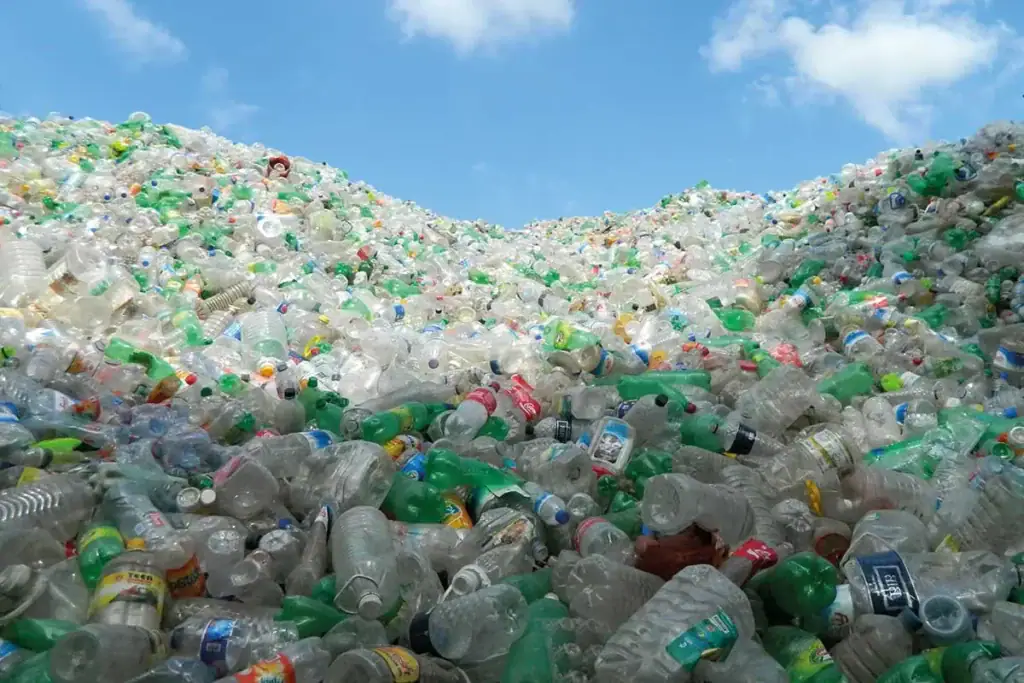
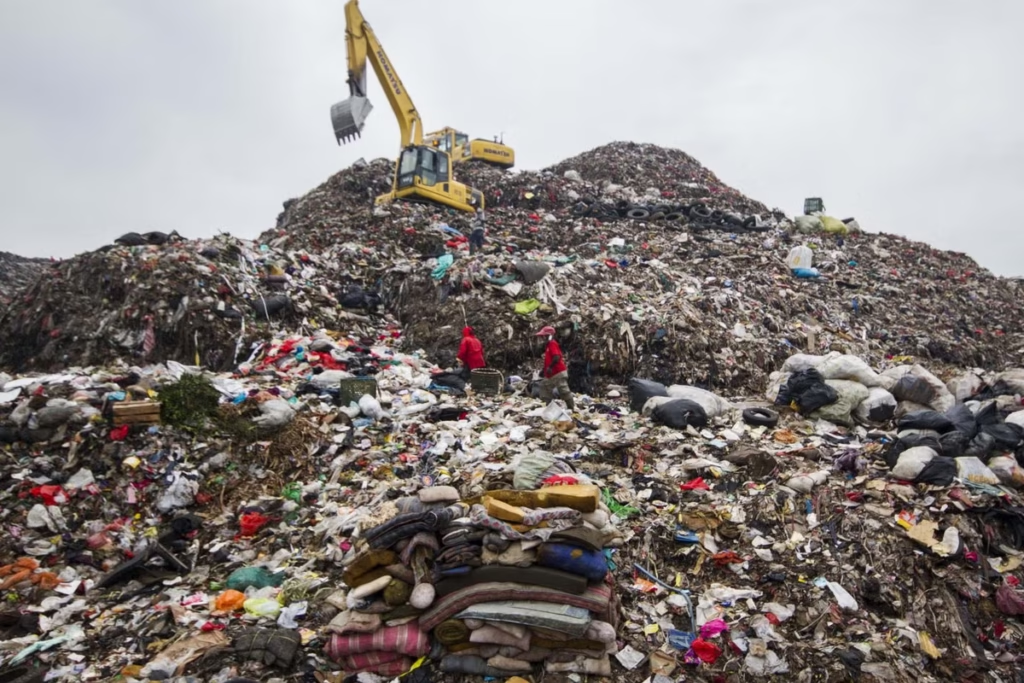
Can you imagine enough plastic to cover the entire United States ankle-deep? By 2050, that could be the cumulative total we have produced worldwide if current trends continue. Less than 25 years away.
How did we get here? That’s the really disturbing part. Our throwaway culture was deliberately cultivated by an industry that recognised a simple commercial opportunity: the more we throw away, the more it can sell us.
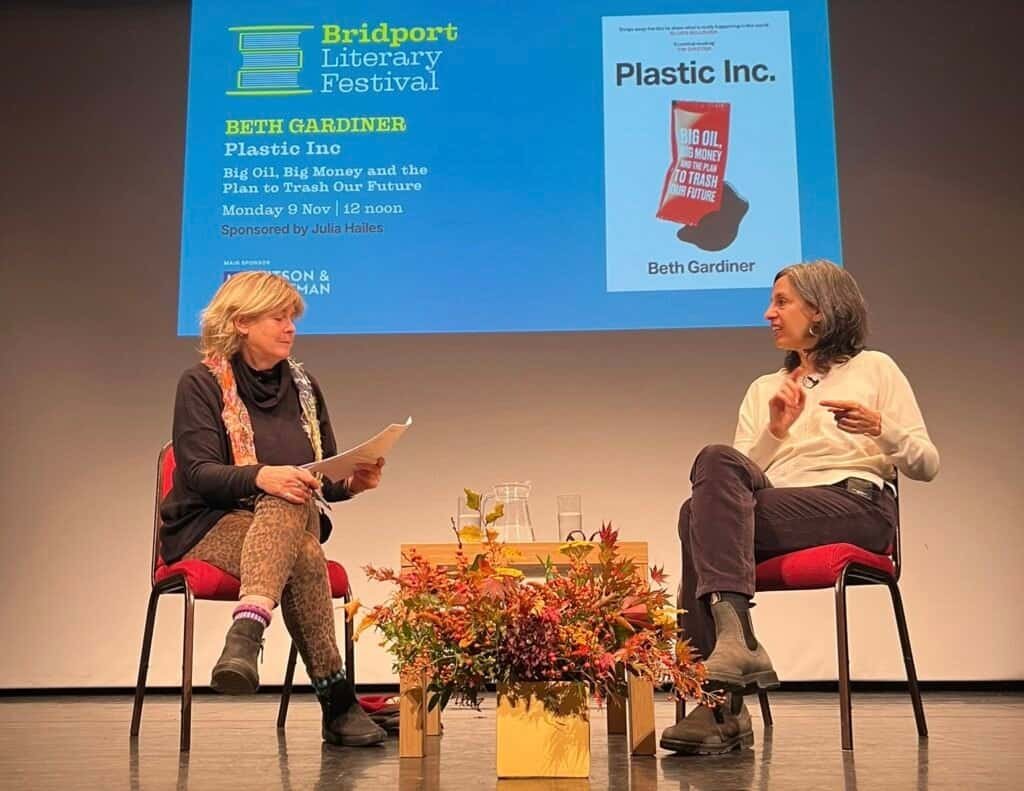
Interviewing Beth Gardiner author of Plastic Inc. at Bridlit
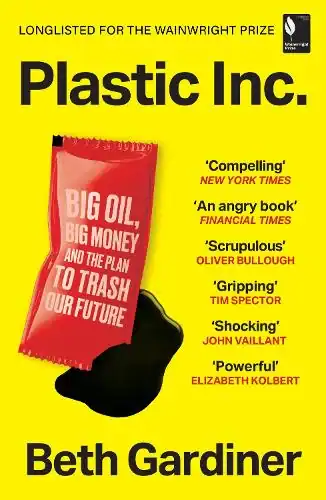
I recently interviewed Beth Gardiner, author of Plastic Inc., at the Bridport Literary Festival (Bridlit). I told the audience that her book had made me angry. Although I already knew quite a lot about plastics, I hadn’t appreciated the scale of the industry’s manipulation — or how successfully it has made us feel responsible for a crisis it keeps expanding.
The future of plastics is in the trash can....
Back in 1956, packaging industry editor Lloyd Stouffer declared: “The future of plastics is in the trash can.” He urged the industry to concentrate on single-use packaging. Something used repeatedly offers limited sales. Something thrown away needs replacing, again and again.
What a business model. Turn a durable material into a disposable product, pocket the profits and leave everyone else with the consequences.
Today, a million plastic drinks bottles are bought every minute. Oil and gas companies are betting on growing demand for plastics to sustain their businesses as the world moves away from fossil fuels for energy.
Recycling has become a guilt eraser for the plastics industry
And how have we been encouraged to respond? By diligently sorting our rubbish.
One of the industry’s cleverest tactics has been to promote recycling as the answer, despite knowing for decades about its limitations. Recycling becomes a guilt eraser for buying more disposable plastic — and a convenient distraction from making less of it.
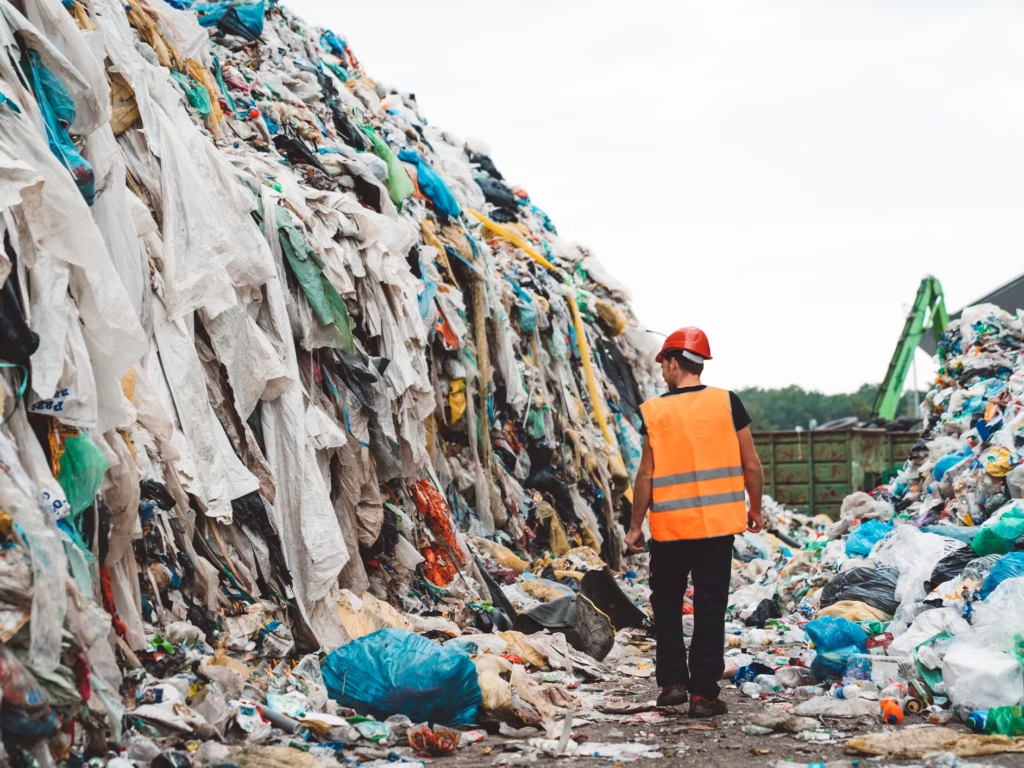
Meanwhile, investigations have exposed plastic waste exported under the guise of recycling to countries ill-equipped to handle it.
Our neatly emptied bins can conceal someone else’s polluted neighbourhood.
Exported Plastics are often not recycled
Industry is fighting restrictions on single-use plastics
Gardiner also describes an industry funding campaigns that blame consumers for litter, while pouring money and political muscle into fighting restrictions on single-use plastics. We are told to dispose of products responsibly. Companies fight measures that would make them responsible for what they produce.
Plastic is reaching inside us, too. One study found roughly 50% higher concentrations of microplastics and nanoplastics in human brain samples from 2024 than in samples from 2016. That does not tell us what is happening in every brain, or establish the health consequences. But it is pretty frightening.
Useful materials do not justify a wasteful business model
I’ve always taken a pragmatic view of plastics. They are lightweight, versatile and useful. Replacing plastic with glass, paper or aluminium can sometimes be worse for the environment. We need to consider the whole system and the full lifecycle of a product: what it does, how it is made, how often it is used and what happens to it afterwards.
But useful materials do not excuse a wasteful business model. Nor does convenience justify allowing companies to profit while communities, wildlife and taxpayers bear the costs.
A circular economy starts with reducing what we use and designing products to last, be repaired and be reused.
Recycling has a role, but it cannot keep pace with an industry determined to sell ever more disposability.
Fighting back!
Read Plastic Inc. It’s an infuriating account of how we were sold a throwaway society — and left to clear up the mess.
“The future of plastics is in the trash can.” That was the industry’s ambition. And look where it’s got us.
It’s a pity we can’t fight back and put the plastics industry in the trash can.
P.S. Putting these ideas into practice is why I’m a director of Rubbish Ideas. We help businesses reduce waste and embrace reuse, with tools such as the Rubbish Portal to track waste, carbon emissions and reuse — and measure what’s improving. The aim is to design waste out of the system altogether.