I didn’t see any birds when I was in China. Not one.
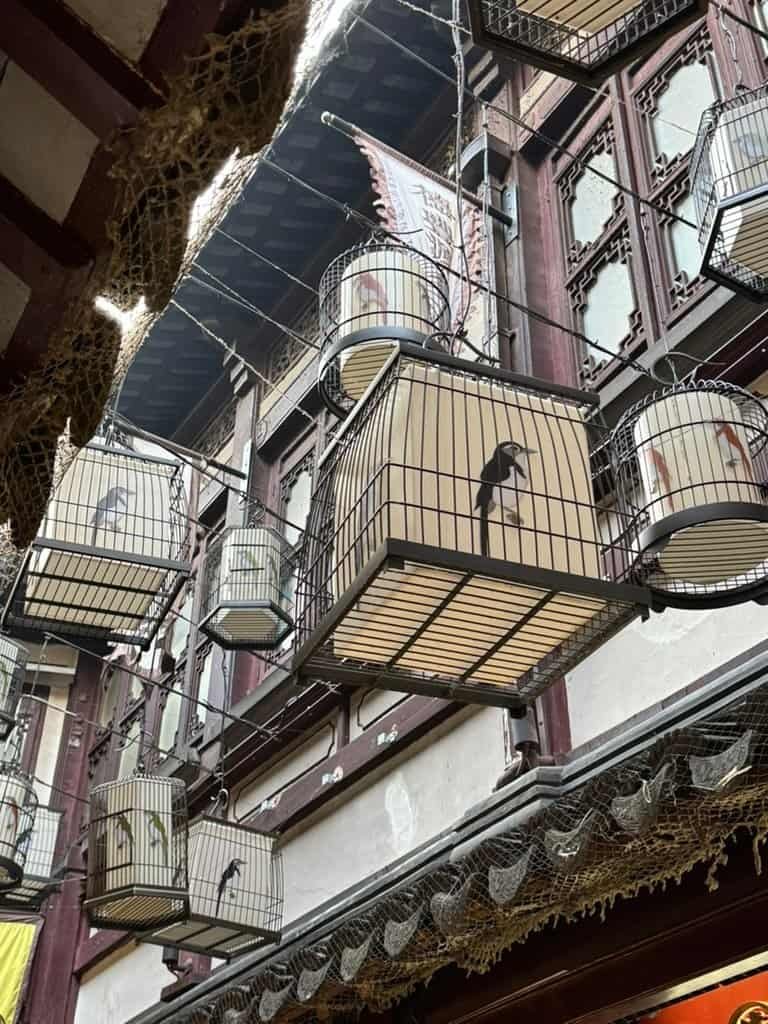
In fact, I didn’t see any wild animals in the wild at all. Looking back, I wonder whether that’s really true – or whether I simply didn’t notice them.I did see bird cages hanging in the streets, but there were no birds inside them. Instead, they played recorded birdsong. It was oddly poignant – a memory of nature rather than the reality.
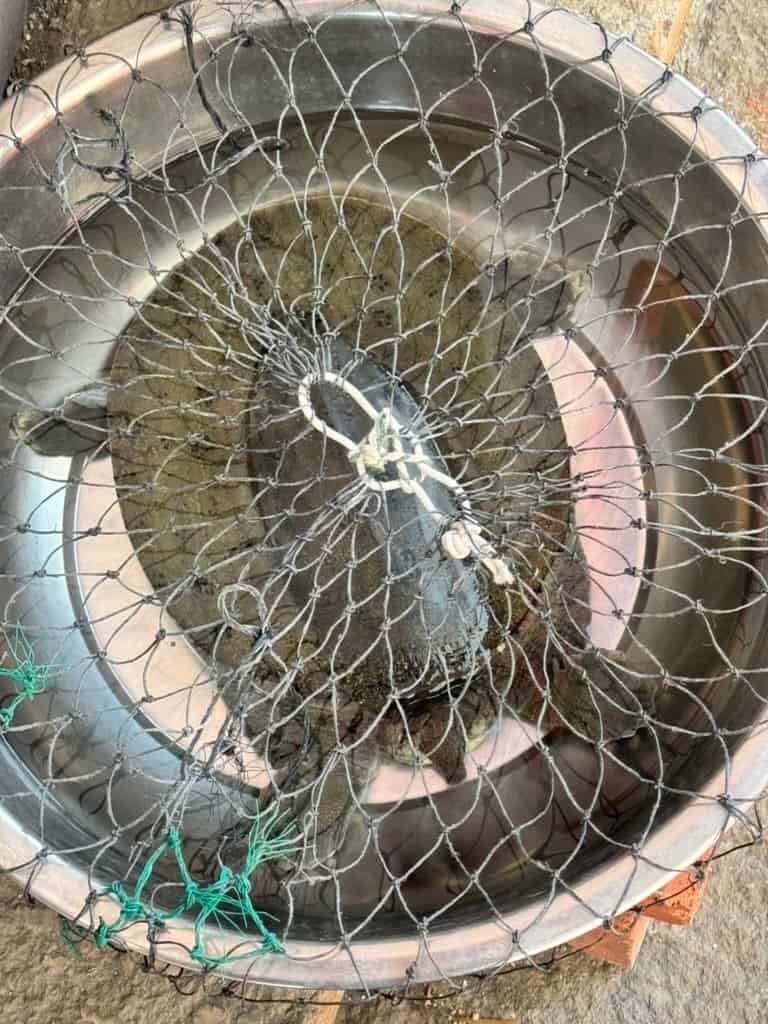
River Turtles in Buckets...
No real birds!
Soft shell river turtles - on the menu
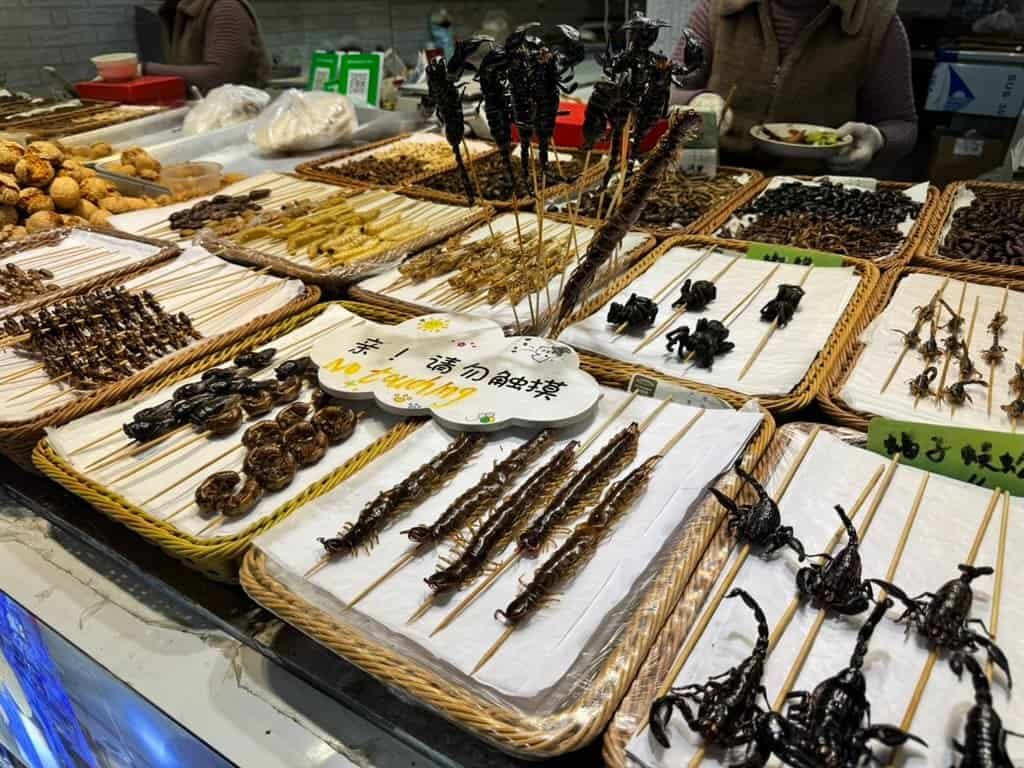
I ate a scorpion
I also saw river turtles. Quite a few of them. They were in buckets or bowls, waiting to be served up for the next meal. I looked into this later. It isn’t very good.
The scale is astonishing. China’s turtle farms sell well over 100 million turtles a year, and some estimates suggest the total could be closer to 300 million annually, most destined for turtle soup or other traditional dishes. Many are farmed, which is better, but it often begins with breeding turtles taken from the wild. The industry can also spread disease into wild populations and mix different species together, potentially wiping out the original wild gene pools.
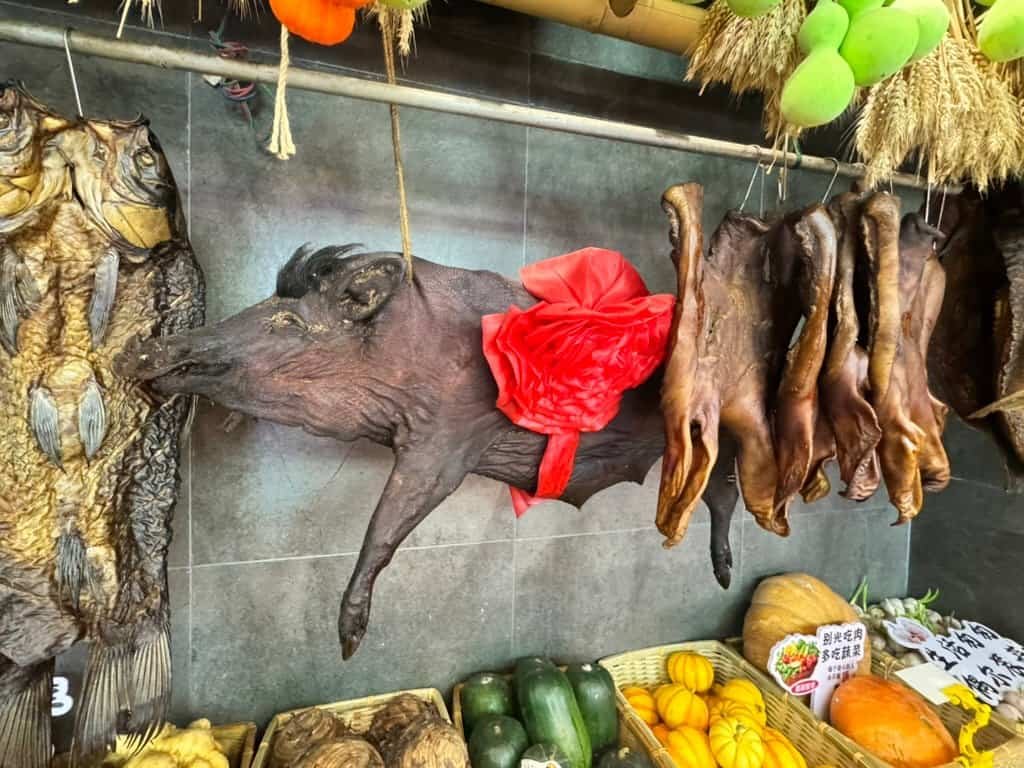
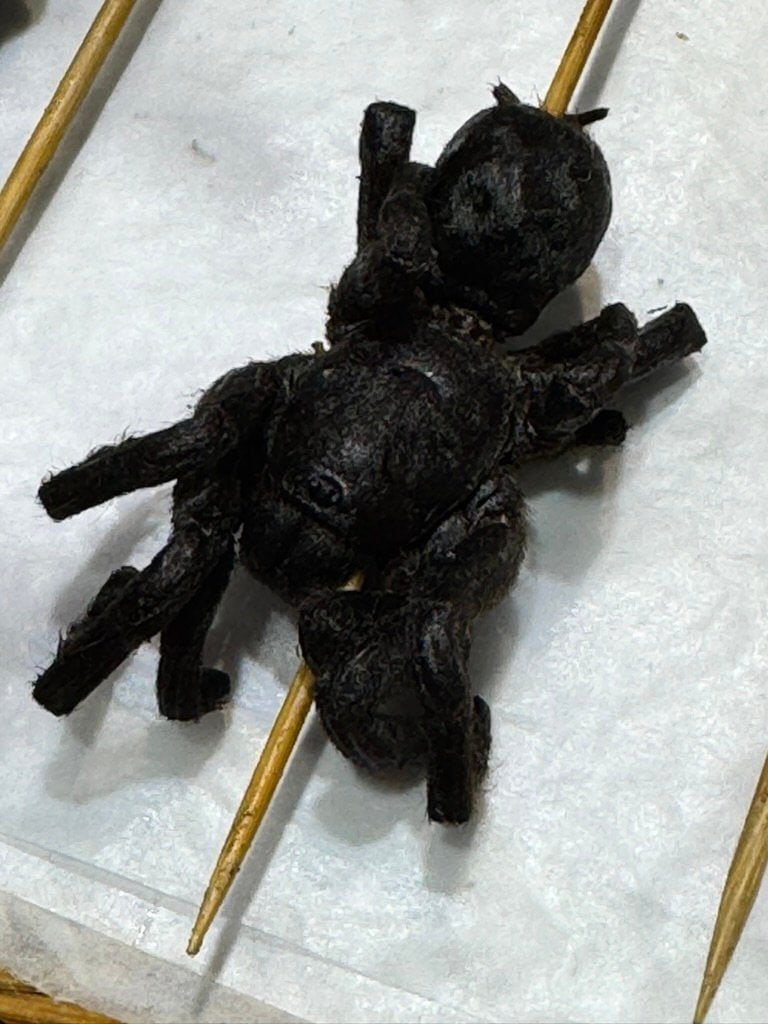
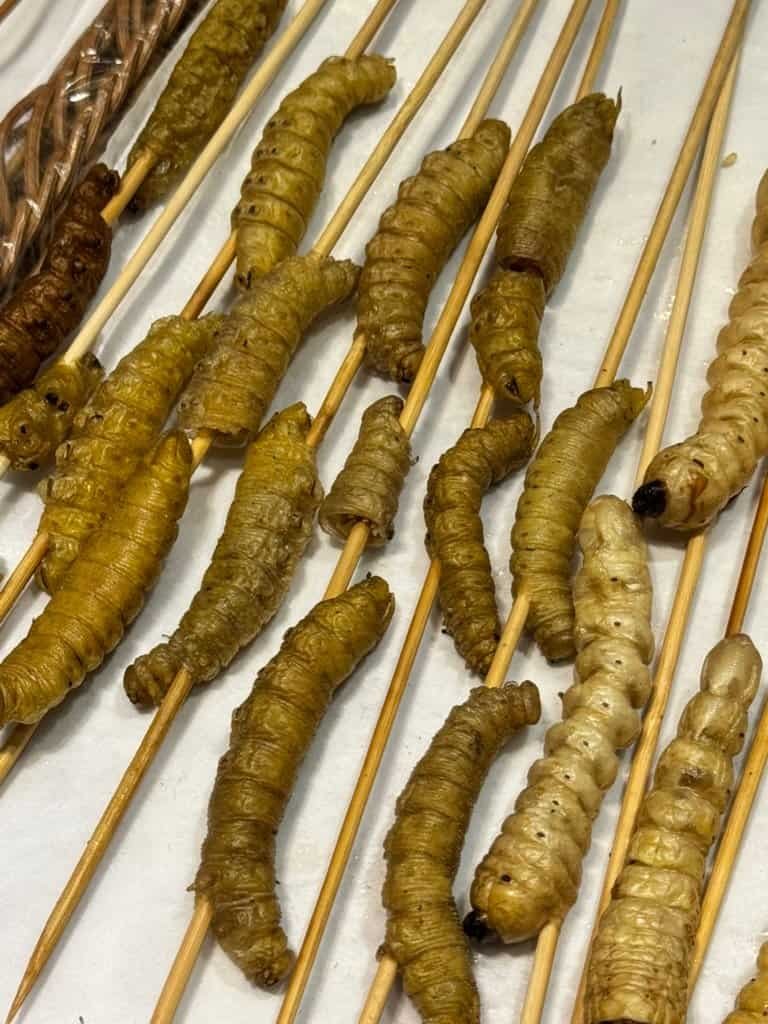
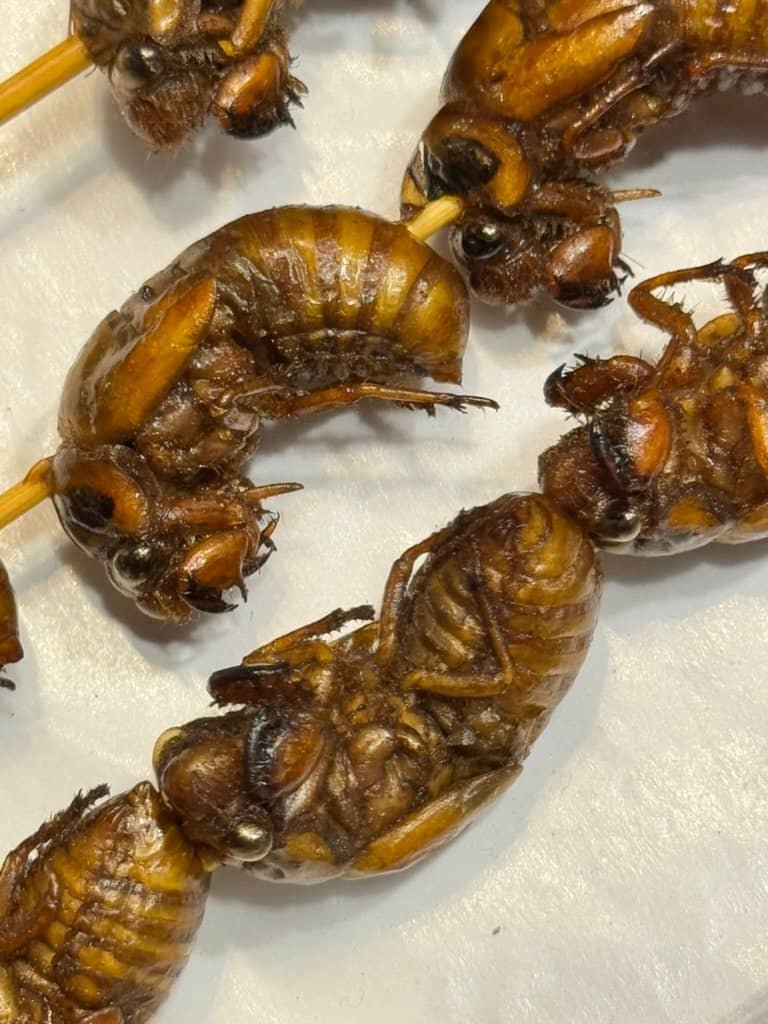
In contrast, I tried a scorpion in a market. Crunchy. Surprisingly pleasant. There were trays of insects and other offerings I didn’t attempt. But I do believe that eating insects will be important in future lower impact diets – with more efficient protein. Not all unfamiliar food is a problem.
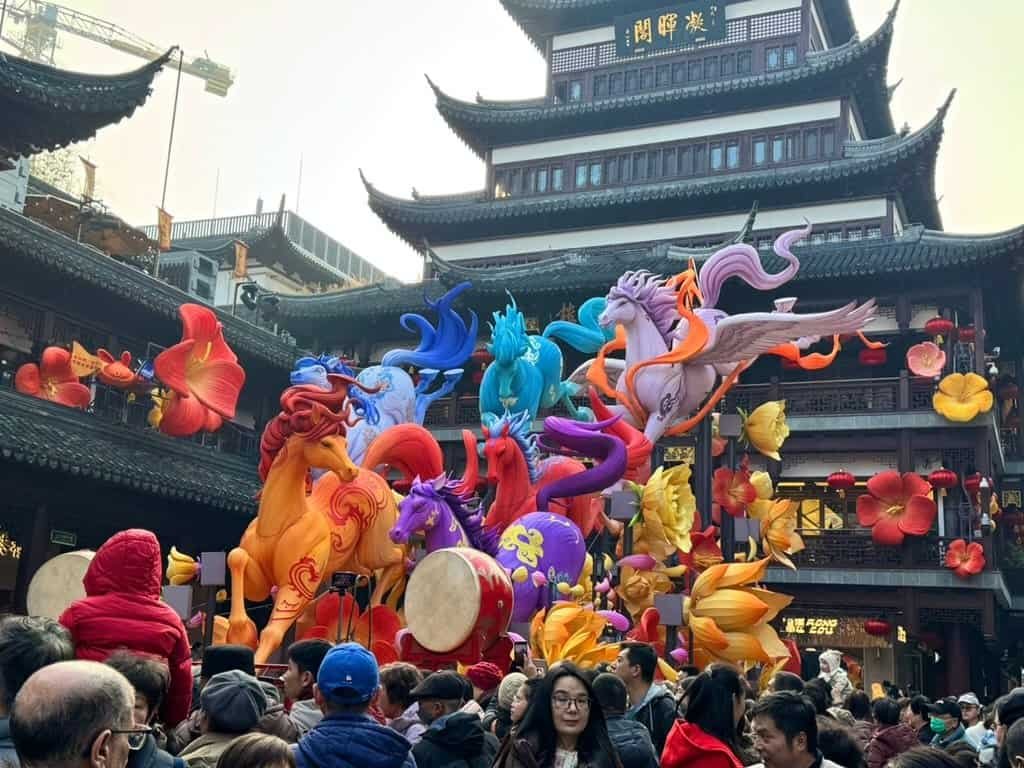
Chinese New Year
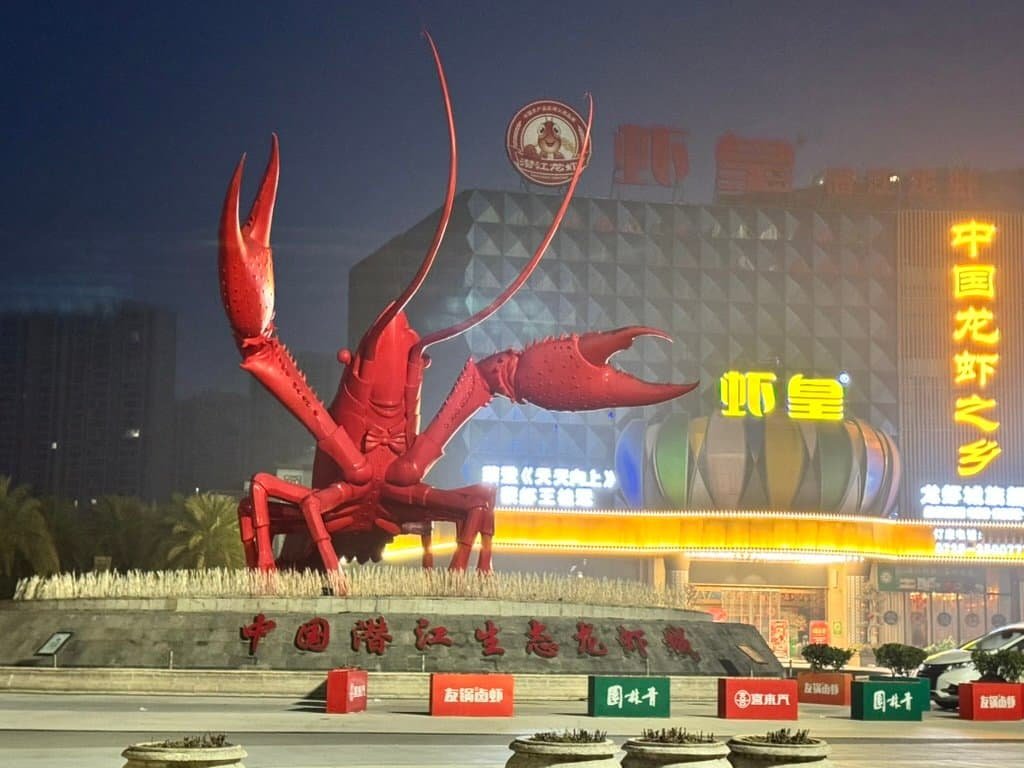
We were there for Chinese New Year. My husband’s daughter-in-law is Chinese, and her wider family live in what they describe as a rural backwater. It has over a million people and highways the width of small airfields. From a West Dorset perspective, that is not rural. But scale is relative. Interestingly, the symbol of Qian Jiang is the crayfish which were introduced and became an invasive species. Now they’re a key part of the local specialities.
Sadly, it wasn't the right time of year for crayfish to be on the menu when we were in Qian Jiang
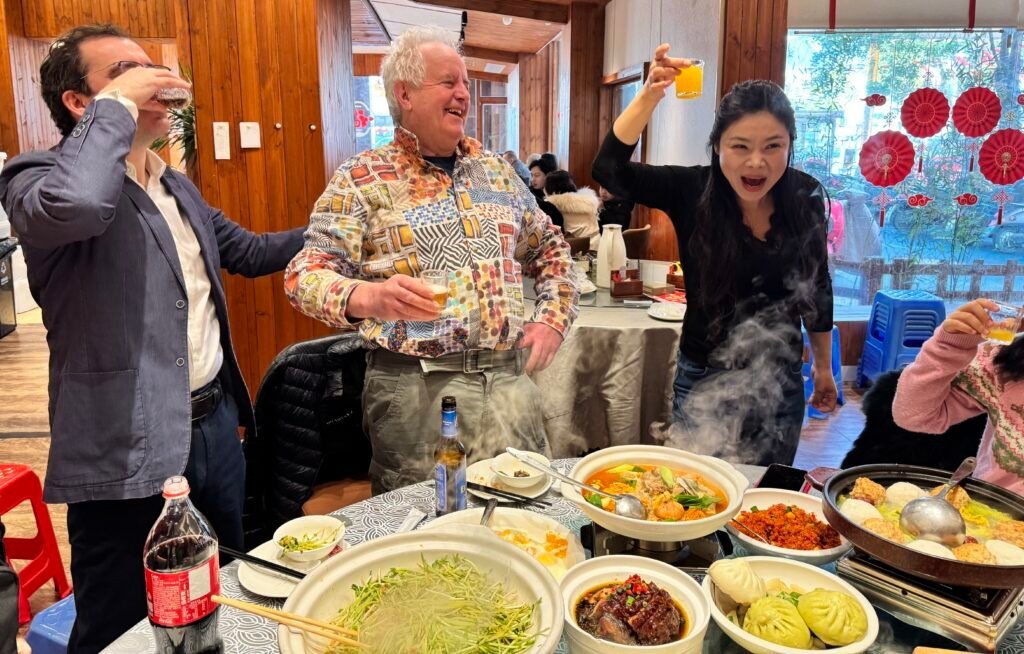
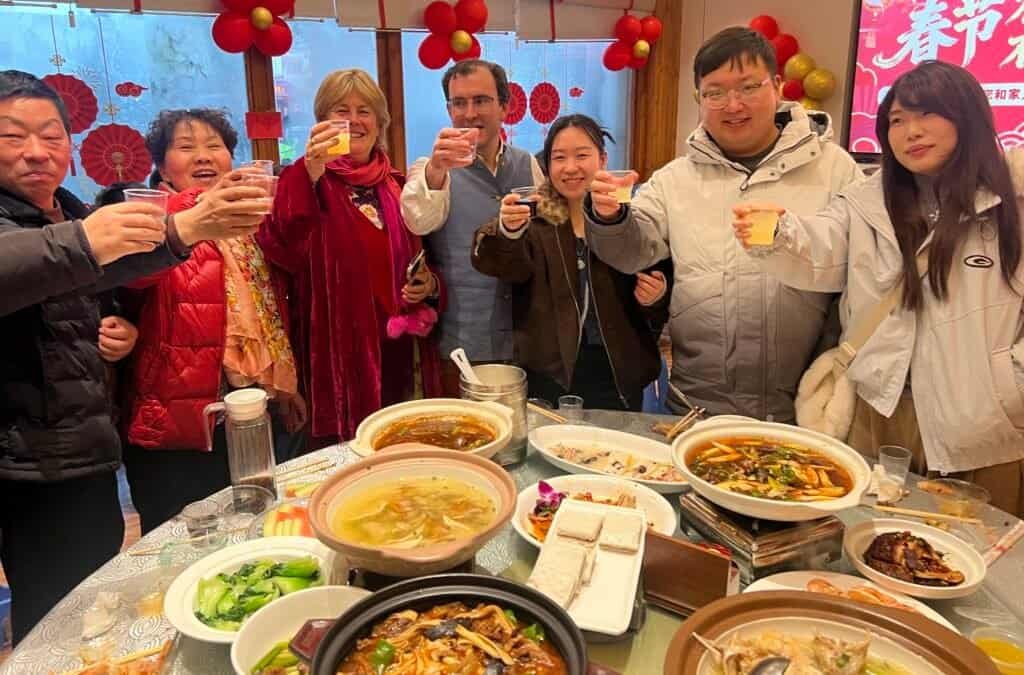
We were welcomed with extraordinary warmth. So much so that I found it difficult to put on my environmental hat. I chose, quite deliberately, to observe and say very little. That was partly out of respect for our hosts – and partly because I was aware that this is not a country where careless criticism is wise.
A visible state
The presence of the state is constant. On arrival, the digital walls went up. Websites I use daily – email, AI tools, WhatsApp – were blocked. There were warnings not to use a VPN. I discovered, quietly, that my e-SIM allowed access to things that WiFi did not. I didn’t ask too many questions.
Passports were required not just at the airport and hotels, but for trains and tourist sites. Flashing gantries recorded vehicles on main roads. And then I learned that property is not owned outright – it sits on 70-year leases or land-use rights from the government. What happens when they expire? No one I talked to seemed entirely sure.
Reading Mao biography was shocking
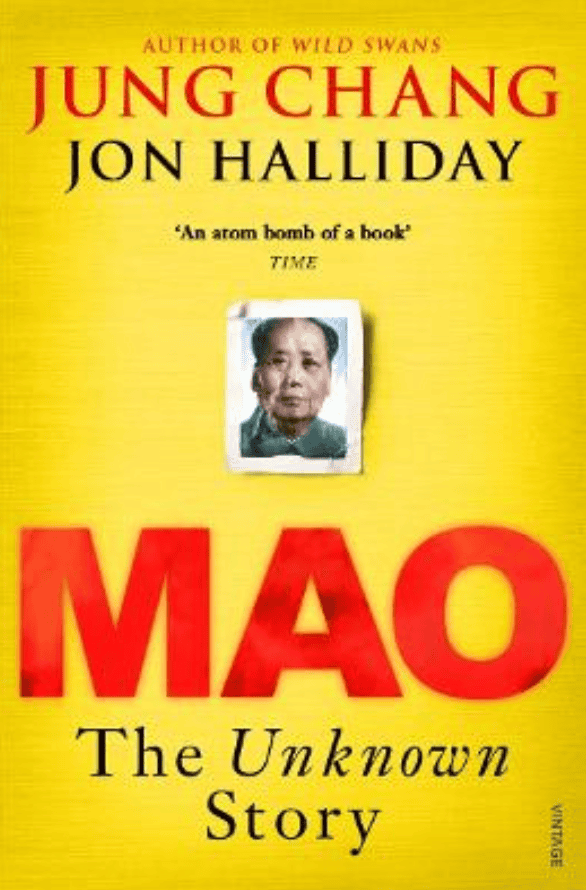
Perhaps unwisely, I was reading about Mao before and during the trip. It is hard to ignore the brutality of that period – famine, purges and ideological extremism on a colossal scale, with consequences that shaped generations.In the West he is remembered as one of the most lethal political leaders in history. In China, by contrast, he still appears to be widely revered. That dissonance is uncomfortable.
Food is plentiful
Today there is no famine. China feeds more people than ever before. It is an extraordinary achievement. And yet I can’t help wondering about the agricultural intensity required to sustain it. Miracles of scale often carry hidden costs.
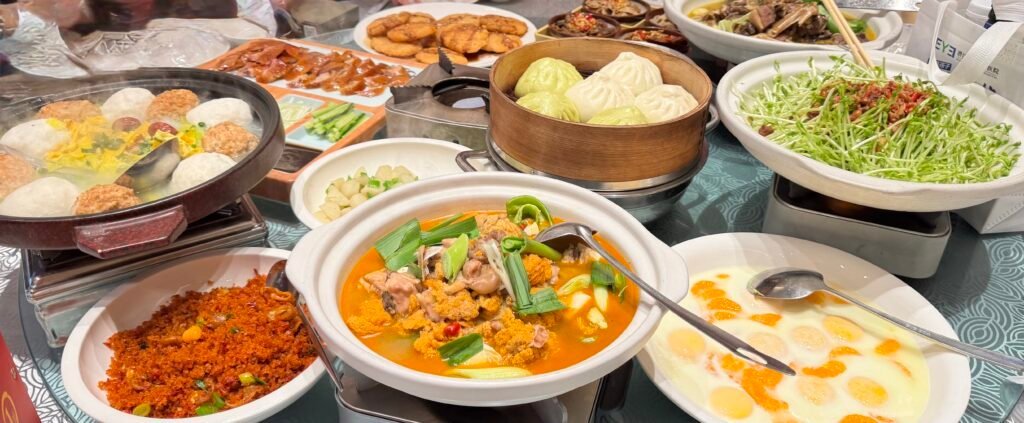
In restaurants, food is shared across many dishes – a joyful, communal way of eating. But I noticed how much sometimes went untouched. I was told leftovers go to pigs. Better than landfill. Still, I found myself wondering whether abundance could be handled differently.
Exponential development
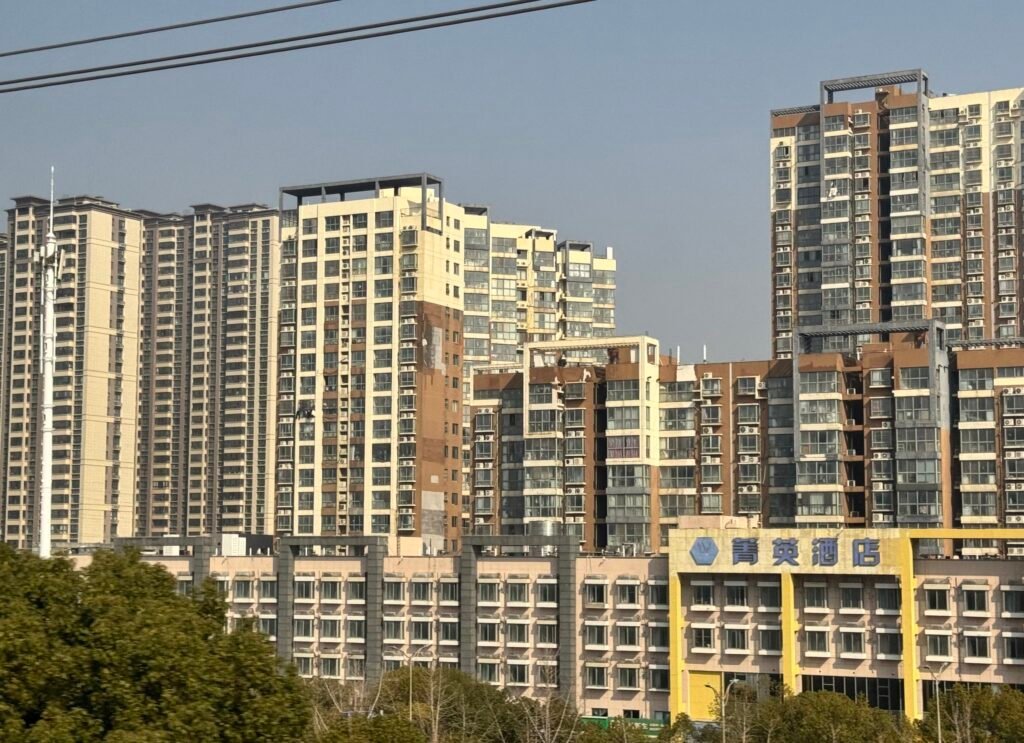
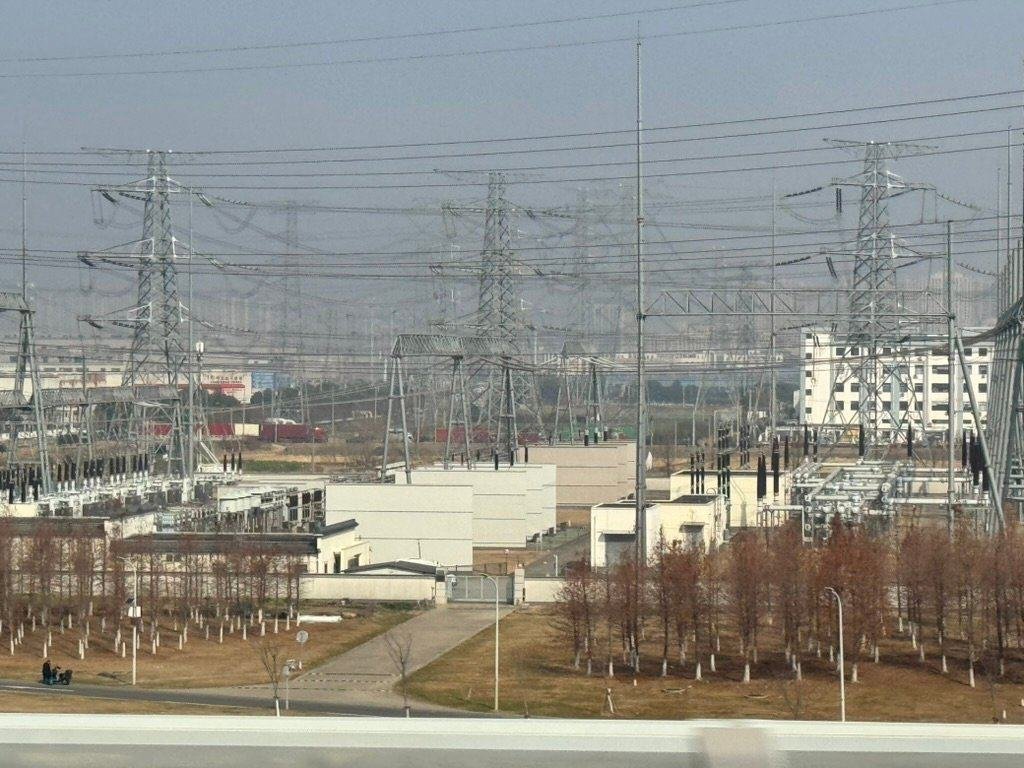
The scale of development was what shook me most. Shanghai is now one of the most populous cities on Earth, yet as recently as the 1980s many homes lacked basic plumbing.The transformation has been vertiginous. From the bullet train, we watched tower blocks and industrial complexes stretching for at least a hundred miles. Waterways straightened, canalised, disciplined into concrete edges. It felt relentless.
China’s population has peaked and is beginning to decline. By mid-century it could be significantly smaller. I kept asking myself: what happens to all this infrastructure if growth slows? When does building stop? Does it ever?
What happens to building boom when population falls?
An industrial landscape spread for miles and miles
A civilisation of contrast
I only had one extended conversation about modern China with someone who felt able to speak openly. I didn’t initiate others. I felt both cautious and overwhelmed – confronted by a civilisation of immense ingenuity and control, ecological strain and technological prowess – all intertwined.
And in the middle of all that, I learned to play Mahjong. I loved it. Pattern, memory, risk, rhythm. Perhaps that, too, is a metaphor. You enter the system as it is. You learn the rules. You play your hand as best you can. I can’t begin to unravel the complexities of a world that I know so little about.
Addendum: Whatever my reflections about China as a country, the people we met were unfailingly kind and welcoming. We were made to feel at home everywhere we went. Our particular thanks go to the many people we met in Qian Jiang for their warmth and generosity.
If you are visiting Shanghai, we were also tremendously impressed by the Puli Hotel. The level of service was exceptional – among the best we have experienced anywhere.
Snapshots from our visit
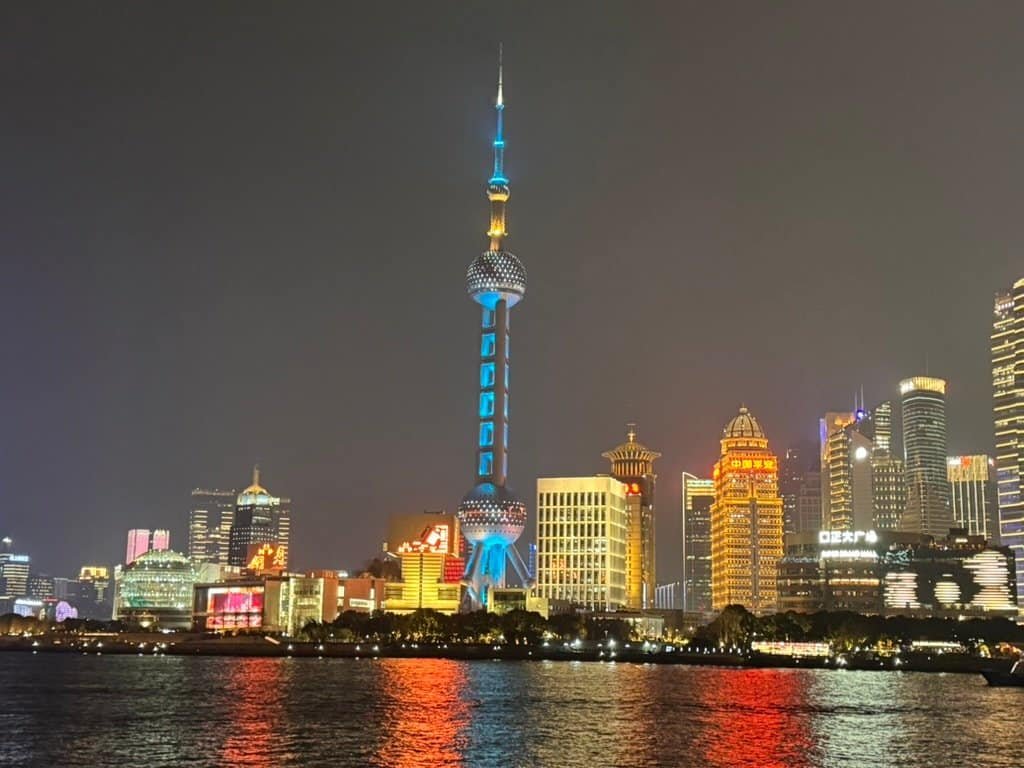
Shanghai at night
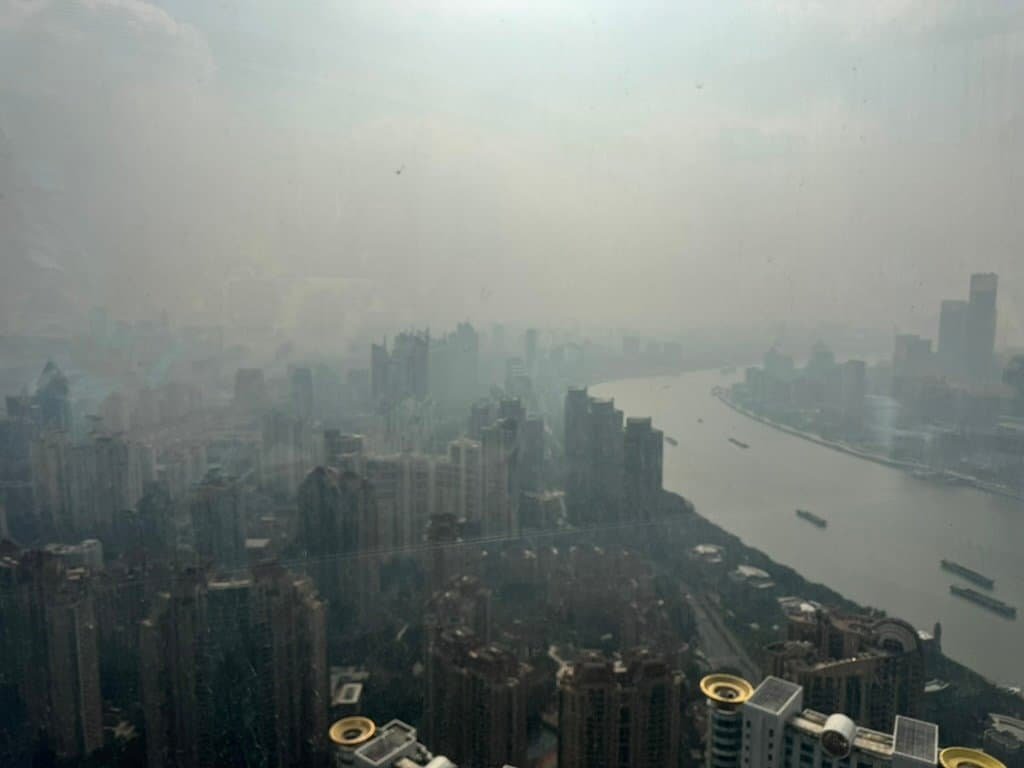
Smoggy Shanghai in the day
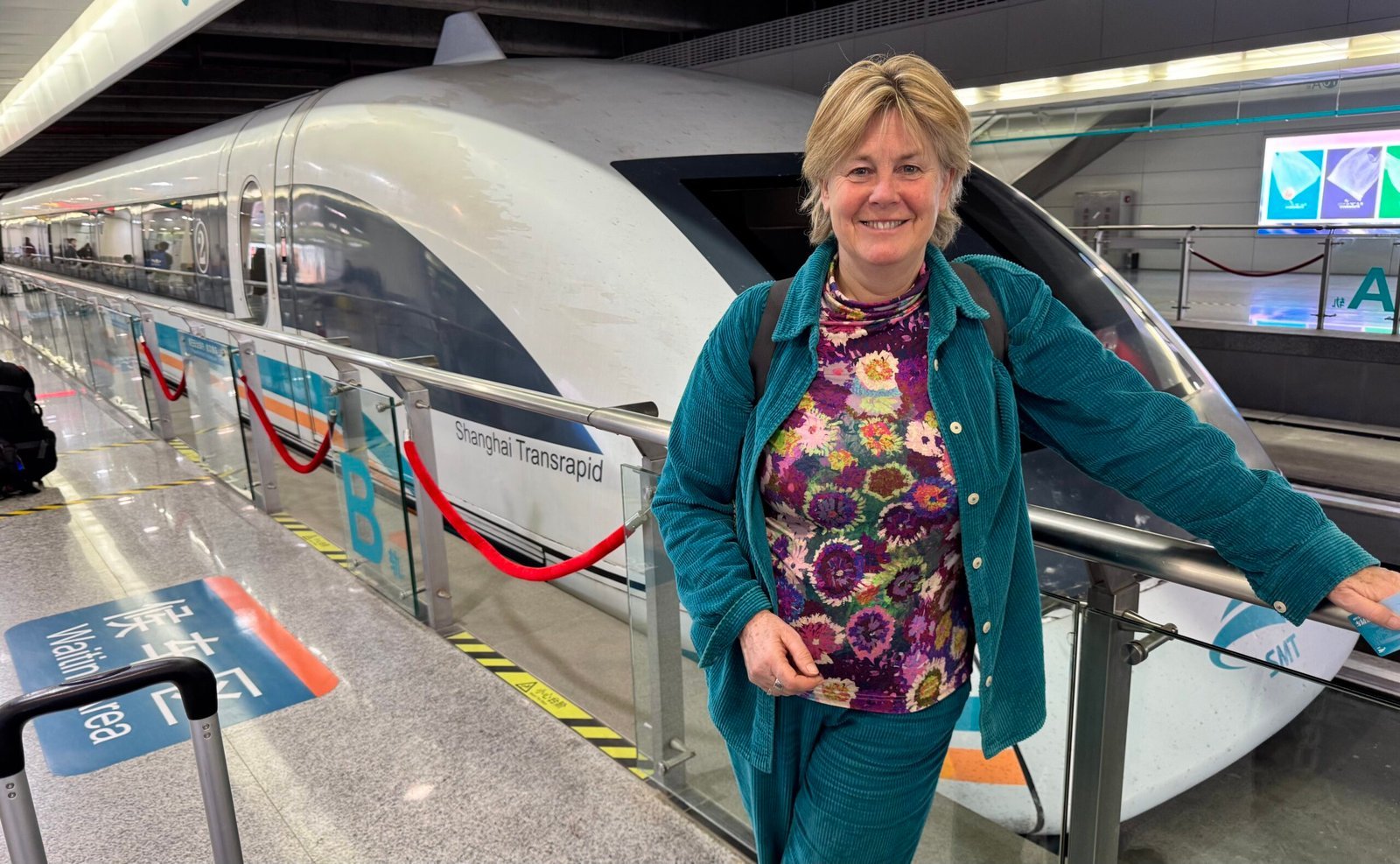
There are more electric cars - with green number plates - in Shanghai, than fuel. And the fast train to the airport went at about 300km per hour!
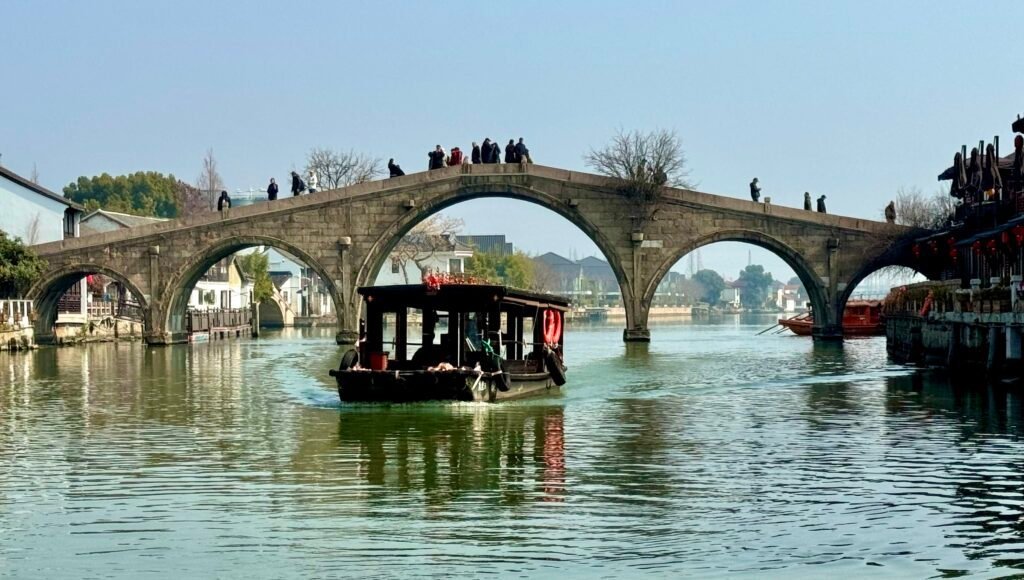
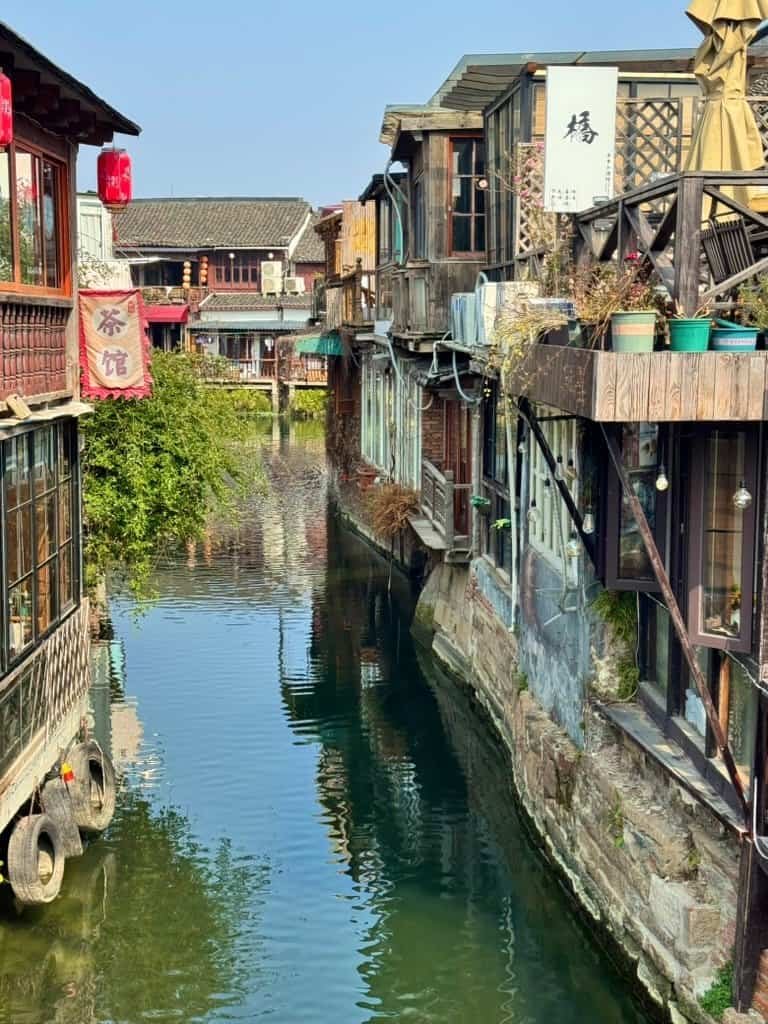
The Water City close to Shanghai was my favourite place to visit .